Funny CT Tech Nutrition Facts Svg Review
As a designer who spends more time staring at stitch patterns than actual screens, I approach every new digital asset with a healthy dose of skepticism. The market is flooded with generic clip art, so finding something that actually translates well from screen to fabric is rare. Recently, I pulled the Funny CT Tech Nutrition Facts Svg into my workflow to see if it had the legs for real-world application. This isn't just about how it looks in a preview window; it’s about whether it survives the needle, the hoop, and the washing machine.
I picked this design because "tech humor" is a perennial seller, but usually, these designs suffer from cluttered layouts or tiny text that disappears after one wash cycle. My goal was to evaluate this file as a potential centerpiece for a small business line—specifically targeting tech workers, developers, and IT support staff who appreciate a bit of self-deprecating humor about their caffeine-fueled lifestyles.
First Impressions and Visual Personality
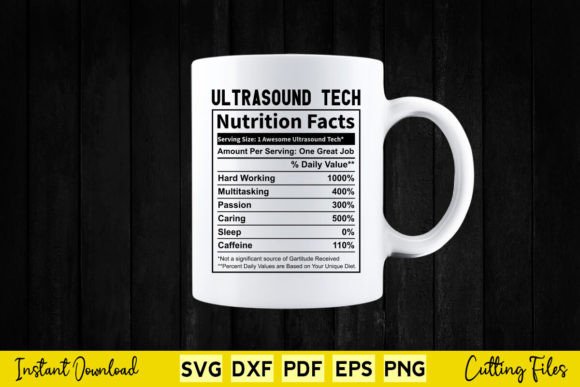
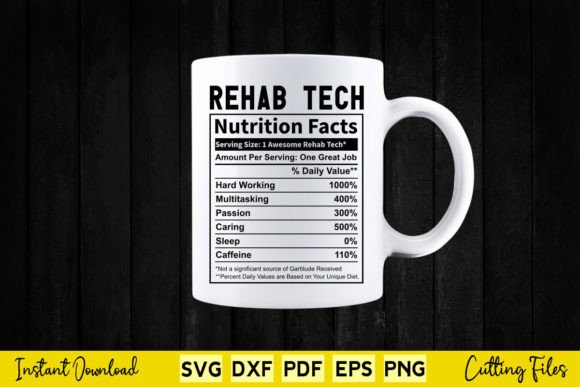
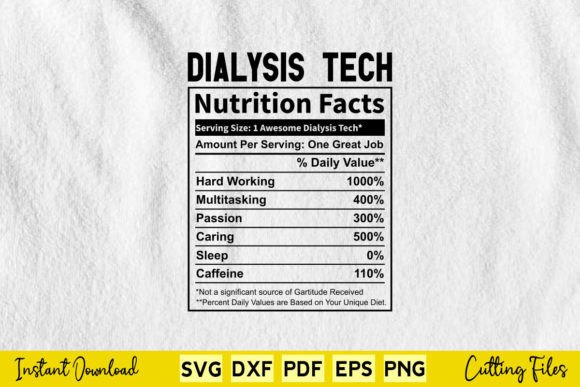
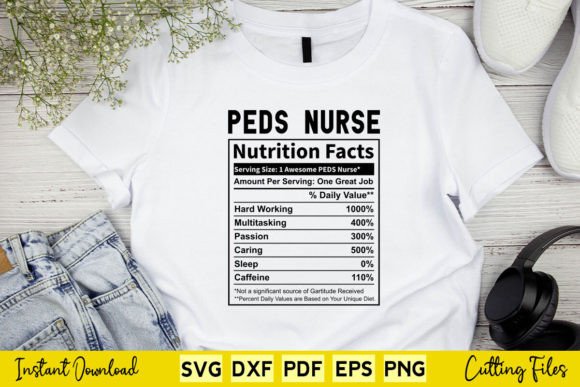
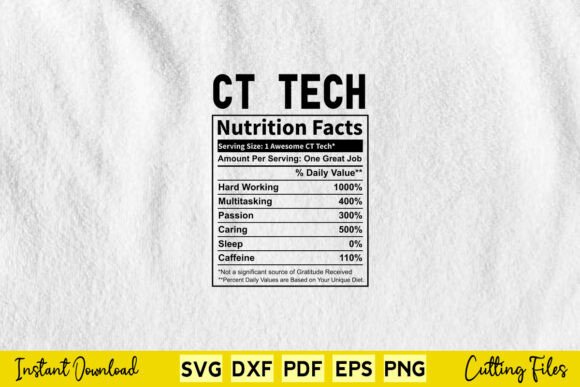
The moment I loaded the Funny CT Tech Nutrition Facts Svg, the layout felt familiar yet distinct. It mimics the standard FDA nutrition label format, which immediately signals "information" to the viewer, but the content subverts expectations with witty, tech-related jabs. For an embroidery designer, this structure is brilliant. It provides clear boundaries (the box) and distinct zones for text and graphics, which makes digitizing—or converting SVG to embroidery—much cleaner than free-form illustrations.
The mood is playful, relatable, and slightly chaotic in a controlled way. It doesn’t scream "corporate," nor does it feel too childish. It hits that sweet spot for adult hobbyists and professionals who want to wear their personality on their sleeve. Visually, the contrast between the bold header elements and the smaller data rows creates a natural hierarchy. In embroidery terms, this means you can use different thread weights or stitch types to emphasize certain parts of the joke without losing legibility.
Real-World Application: The Tote Bag Test
To truly test the viability of this design, I didn't just look at it; I simulated its use. I imagined preparing a custom embroidered tote bag for a local tech conference giveaway. Tote bags are a staple for Etsy sellers and craft fair vendors because they are high-utility items that customers actually use, keeping your brand visible.
When placing the Funny CT Tech Nutrition Facts Svg on a canvas tote, the rectangular shape of the nutrition label aligns perfectly with the flat surface of the bag. However, I noticed that the fine lines of the "daily value" percentages could pose a challenge. If the design relies heavily on thin running stitches for those tiny details, they might get lost in the weave of heavy canvas. My advice here is to ensure the digitizer has converted those thin lines into either a tighter satin stitch or a dense fill stitch where possible. For a handmade product like this, clarity is king. If the customer squints to read the joke, the emotional connection is broken.
I also considered using this on a sweatshirt for a winter holiday gift. Embroidered patches on denim or fleece add texture and perceived value. The humor in the Funny CT Tech Nutrition Facts Svg works exceptionally well here because the thicker fabric supports heavier stitch densities. A hoodie featuring this design feels like a premium item, justifying a higher price point in a boutique setting. It transforms a basic garment into a statement piece that resonates with anyone who has ever debugged code at 3 AM.
Where Caution Is Required
While this design is versatile, it is not foolproof. There are specific scenarios where the Funny CT Tech Nutrition Facts Svg will struggle. First, avoid small hoop sizes. If you attempt to stitch this on a baby onesie or a small cap panel, the text will become microscopic. Embroidery machines have physical limitations; if the lettering drops below a certain height, the thread tension will cause puckering or breakage. Stick to chest-sized areas or larger back panels for apparel.
Second, be wary of textured fabrics. While canvas is forgiving, bouclé knits or heavily ribbed materials can distort the straight lines of the nutrition label box. The stitching may follow the texture rather than staying true to the design grid, making the "facts" look wavy and unprofessional. Additionally, stretchy fabrics like spandex blends require a strong stabilizer backing. Without proper stabilization, the tension of the Funny CT Tech Nutrition Facts Svg’s fill stitches will pucker the garment, ruining the fit and finish.
Dark fabrics present another consideration. If the original SVG uses white or light-colored elements for contrast, you must ensure you have appropriate topstitching threads available. On black fabric, light gray text might disappear entirely. Always check thread color contrast before committing to a production run. A quick tip is to print the design in black and white mockups to verify readability across different background colors.
Impact on Product Value and Brand Trust
For commercial embroidery projects, the quality of the design directly impacts customer trust. A poorly executed tech joke looks like a cheap impulse buy. But a clean, well-stitched version of the Funny CT Tech Nutrition Facts Svg signals professionalism. It suggests that the seller cares about detail, which translates to confidence in the buyer’s mind.
This design also enhances giftability. Tech-themed gifts are often hard to find that aren't cliché. This design offers a niche appeal that stands out. When listing this on Etsy or a personal shop, using printable mockups that show the design on various items—like aprons for the home chef who codes, or pillow covers for a gaming setup—helps buyers visualize the end result. The versatility of the graphic allows it to fit into multiple categories, from office decor to casual wear, expanding your potential audience.
Practical Designer Notes for Execution
If you decide to incorporate this into your craft business, follow these practical steps to ensure success:
- Test on Scrap Fabric: Never run a full production batch without testing the embroidery file on the exact fabric you plan to sell. Check for thread breaks, puckering, and color accuracy.
- Review Stitch Density: High density saves time but can make stiff, uncomfortable garments. Low density saves thread but may lack coverage. Find the balance that suits your target market's comfort expectations.
- Inspect Small Details: Zoom in on the digitized version. Are the tiny numbers in the nutrition table distinct? If not, simplify the design or increase the size.
- Confirm Licensing: Before selling finished products, verify the license terms of the digital embroidery file. Some licenses allow commercial use of finished goods, while others restrict it. Clear licensing protects your small shop product from legal issues.
- Use Proper Stabilizer: The choice of stabilizer (cut-away vs. tear-away) depends on the fabric. For woven shirts, tear-away might suffice. For knits and stretchy materials, cut-away is essential to maintain integrity over time.
In conclusion, the Funny CT Tech Nutrition Facts Svg is a solid addition to any designer’s library. It balances humor with a structured layout that translates reasonably well to embroidery, provided you respect the technical limitations of the medium. It works best on stable fabrics, in moderate to large sizes, and when paired with thoughtful thread choices. For the savvy maker looking to add a touch of wit to their custom apparel offerings, this design delivers both style and substance.